Milk thistle (Silybum marianum) has long been revered in herbal medicine for its remarkable liver-supportive properties. Known as the “liver’s guardian herb,” milk thistle has been used for over 2,000 years to support liver health, protect against toxins, and promote regeneration of liver cells. In the modern era, scientific research has caught up with traditional wisdom, and milk thistle is now one of the most studied and widely used natural remedies for liver-related conditions.
Whether you’re managing a chronic liver condition or looking for ways to protect your liver from daily exposure to toxins, milk thistle may be a valuable ally.
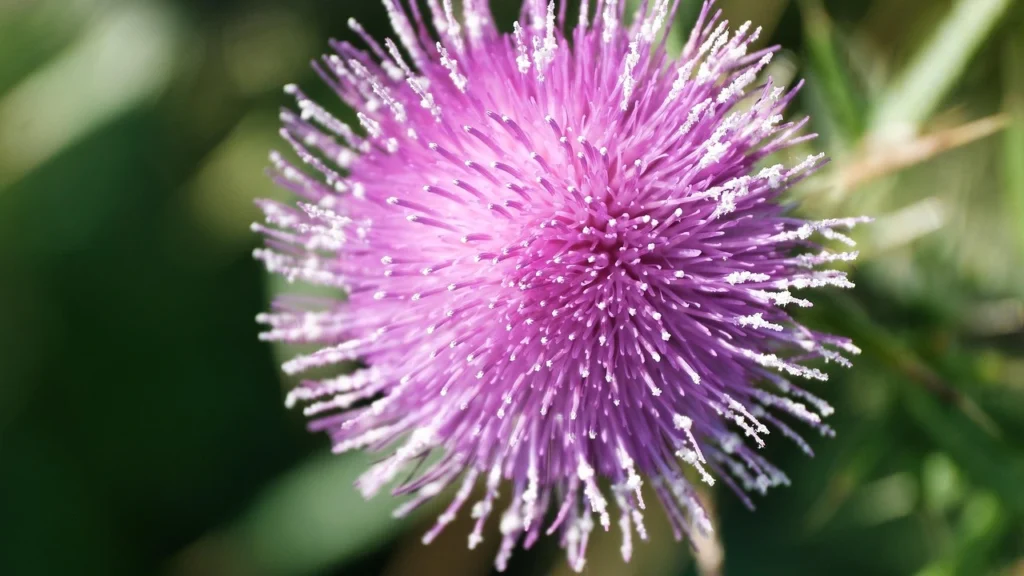
What is Milk Thistle?
Milk thistle is a purple-flowering plant native to the Mediterranean region, though it now grows worldwide. Its distinctive white-marbled leaves give it its name — folklore suggests they were touched by the Virgin Mary’s milk.
But what makes milk thistle truly special lies inside its seeds, which are rich in a powerful extract called silymarin.

The Active Ingredient: Silymarin
Silymarin is not a single compound but rather a potent mixture of flavonolignans, natural plant chemicals known for their antioxidant and anti-inflammatory properties.
The Star Player: Silybin
Within silymarin, silybin (or silibinin) is the most abundant and biologically active component. It accounts for 50–70% of silymarin and is responsible for the majority of milk thistle’s liver-protective effects.
The Supporting Cast
Silymarin also includes other beneficial compounds such as:
Isosilybin
Silychristin
Silydianin
These components work synergistically with silybin to protect, nourish, and even help repair the liver.
How Does Milk Thistle Work?
The primary mechanisms through which milk thistle supports liver health are:
Powerful Antioxidant Protection
Silymarin acts as a potent antioxidant, neutralizing harmful free radicals and increasing the liver’s own antioxidant reserves, such as glutathione. This is essential in protecting liver cells from oxidative stress, a key factor in liver damage.
Membrane Stabilization
Silymarin strengthens the outer membranes of liver cells, making it more difficult for toxins to enter and cause damage.
Anti-Inflammatory Action
Milk thistle reduces liver inflammation by blocking signaling pathways that trigger inflammatory responses. Chronic liver inflammation can lead to fibrosis, cirrhosis, or even cancer, making this effect particularly important.
Anti-Fibrotic Effects
Silymarin has been shown to slow or inhibit the development of liver fibrosis — the excessive accumulation of scar tissue in the liver. This can delay or prevent the progression to cirrhosis.
Liver Regeneration
There is promising evidence suggesting that milk thistle may encourage regeneration of liver cells, helping to restore liver function in damaged tissue.
Milk Thistle Uses & Benefits (Backed by Research)
Alcoholic Liver Disease
Clinical studies show milk thistle can help improve liver function tests such as ALT and AST, reduce inflammation, and potentially enhance survival in patients with alcohol-related liver damage.
Non-Alcoholic Fatty Liver Disease (NAFLD/NASH)
NAFLD is one of the most common liver conditions . Milk thistle has shown promise in:
Reducing liver fat accumulation
Lowering inflammation
Improving insulin resistance
Enhancing liver enzyme levels
Viral Hepatitis (Hepatitis B & C)
Though milk thistle does not cure viral hepatitis, it may serve as a supportive therapy by reducing liver inflammation and supporting liver function during antiviral treatment.
Drug- and Toxin-Induced Liver Injury
One of the most researched uses of milk thistle is in protecting the liver from:
Medications, such as anti-tuberculosis drugs
Industrial chemicals
Environmental pollutants
It may reduce the liver’s vulnerability to these agents by strengthening cell membranes and enhancing detoxification.
Cirrhosis Support
In patients with liver cirrhosis, especially due to alcohol use, milk thistle has shown potential in improving liver function and possibly increasing life expectancy when used as part of a broader treatment plan.
Mushroom Poisoning Antidote
A lesser-known but life-saving use of milk thistle is as an antidote for Amanita phalloides (death cap) mushroom poisoning. In Europe, intravenous silybin is the standard treatment to block the deadly toxins from entering liver cells. However, this is an emergency medical treatment — over-the-counter supplements will not help in this situation.
Emerging Benefit: Blood Sugar Support
Recent studies suggest that milk thistle may help in managing type 2 diabetes by:
Reducing fasting blood sugar levels
Improving HbA1c (a marker of long-term blood sugar)
Enhancing insulin sensitivity
These effects are likely due to silymarin’s antioxidant and anti-inflammatory properties. However, more large-scale research is needed to confirm its role in diabetes management.
Traditional Use: Gallbladder and Bile Flow Support
In herbal medicine, milk thistle has been used to promote healthy bile flow, which aids in:
Digesting fats
Preventing gallstones
Supporting digestive health
Although the research is less robust in this area, its positive effects on liver health indirectly support better bile production and secretion.
How to Use Milk Thistle
Forms & Dosage
Milk thistle is available in several forms including capsules, tablets, tinctures, and teas. However, for therapeutic purposes, standardized extracts are most effective.
Look for supplements standardized to 70-80% silymarin
Typical dosage: 140 mg to 420 mg per day, often in 2–3 divided doses
For improved absorption, choose phytosome forms (e.g., Silybin-Phytosome)
Safety Profile
Milk thistle is considered very safe for most people. Mild side effects may include:
Upset stomach
Diarrhea
Bloating
Rare allergic reactions may occur, especially in individuals sensitive to plants like ragweed or daisies.
Drug Interactions
This is critical — milk thistle can affect how the liver metabolizes certain drugs. Silymarin may interact with:
Blood thinners (e.g., Warfarin)
Diabetes medications
Statins (cholesterol drugs)
Anti-anxiety drugs (e.g., Diazepam)
Cancer treatments
Always consult a healthcare provider before using milk thistle, especially if you’re on prescription medications.
Special Populations
Pregnant or breastfeeding women: Insufficient safety data — consult your doctor.
People with diabetes: Monitor blood sugar closely to avoid hypoglycemia.
Conclusion: Is Milk Thistle Right for You?
Milk thistle stands out as one of the most powerful and well-researched herbs for liver health. From protecting liver cells against damage to supporting regeneration and reducing inflammation, it offers a wide range of benefits, particularly for conditions like:
Alcoholic liver disease
Non-alcoholic fatty liver disease (NAFLD)
Toxin exposure
Viral hepatitis (as supportive care)
It’s also the only known antidote for deadly death cap mushroom poisoning when given intravenously under medical supervision.
Beyond liver health, milk thistle may help support blood sugar balance, bile flow, and overall antioxidant capacity in the body.
However, like any supplement, it’s important to use it wisely. Consult a healthcare professional, especially if you take medications or have chronic health conditions.