Want healthy, glowing skin the natural way? Learn how olive oil for skin helps with dryness, wrinkles, irritation, and healing—plus how to use it safely, from a pharmacist’s point of view.
When you hear “olive oil,” you probably think of cooking—maybe drizzling it over a salad or sizzling veggies in a pan. But did you know that high-quality olive oil for skin can be just as nourishing as it is for your body?
As a pharmacist, I’ve seen many patients turn to natural remedies. And olive oil, especially extra virgin olive oil (EVOO), is one of those timeless, science-backed options that really holds up.
Let’s break down why it works, how it helps your skin, and how to use it safely and effectively.
Why Olive Oil Is Good for Your Skin
Not all oils are skin-friendly, but extra virgin olive oil contains several compounds that your skin actually loves. Here’s what’s inside:
Antioxidants (like hydroxytyrosol)
These are your skin’s bodyguards. They protect against damage caused by sun, pollution, and everyday exposure to the environment.
Oleic Acid
This fatty acid helps olive oil penetrate deep into the skin, carrying nutrients with it and locking in moisture.
Squalene
Found naturally in our skin, squalene adds softness, protects against dryness, and helps restore balance.
Vitamin E
A skin-repair superhero that soothes dryness, strengthens the skin barrier, and improves elasticity.
So yes, olive oil is more than just grease in a bottle—it’s full of bioactive compounds your skin actually needs.
Olive Oil for Skin: 5 Amazing Benefits (That Are Actually Backed by Research)
Let’s get into the real reason you’re here: What can olive oil for skin actually do?
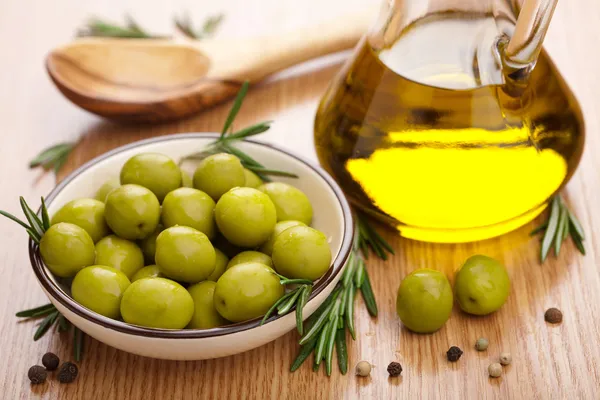
It Deeply Moisturizes Dry Skin
Dry, flaky skin? Olive oil acts like a natural sealant. It creates a barrier over your skin that locks in hydration. Since it’s rich in fatty acids, it helps repair the skin’s natural moisture barrier.
Best time to apply? Right after a shower when your skin is still damp.
Bonus Tip: Mix it into your favorite unscented moisturizer to boost hydration without making things too greasy.
It Supports Skin Healing (Even for Minor Wounds)
Studies have shown that EVOO can speed up the healing process for small cuts, scrapes, and even stubborn wounds like diabetic ulcers. That’s thanks to its anti-inflammatory and regenerative properties.
Pharmacist Tip: Only use it on clean, dry wounds—not infected or open ones. If a wound looks red, oozes pus, or gets worse, see your doctor.
It Helps Prevent Fine Lines and Wrinkles
Let’s be honest—we all want skin that looks smooth, plump, and firm. Olive oil’s antioxidants fight oxidative stress, one of the main causes of premature aging.
In some studies, participants who used olive oil-based products saw up to 30% reduction in wrinkle depth within four weeks.
Want to try it? Add a drop of high-phenolic EVOO (the really antioxidant-rich stuff) to your night cream.
It Soothes Irritated or Inflamed Skin
If you have eczema, psoriasis, or just sensitive skin, olive oil can bring calm to the chaos. Its anti-inflammatory compounds (similar to low-dose ibuprofen) help reduce redness, itchiness, and irritation.
It also works surprisingly well on sunburns. Just remember to apply it gently and avoid sun exposure immediately afterward.
It Gently Removes Makeup
Yes, really! Olive oil breaks down even waterproof makeup while moisturizing your skin at the same time. No harsh chemicals needed.
Just rub a few drops on your face, massage gently, then wipe clean with a damp, warm cloth.
Before You Slather It On, Know This
Olive oil is generally safe, but there are a few exceptions:
If you have acne-prone or oily skin
Olive oil might clog pores, especially if used in large amounts. Always patch test on your jawline or inner arm for 2 days before applying to your face.
Babies
Their skin is thinner and more sensitive, and olive oil can cause irritation in some infants.
Open wounds or infections
Don’t use oils on broken or infected skin unless your doctor says it’s okay.
How to Choose the Right Olive Oil for Skin
Here’s the thing: not all olive oils are created equal. Up to 73% of products labeled “extra virgin” are actually fake or low-grade. That means less nutrition, more impurities—and zero benefit for your skin.
Look for:
Cold-pressed (less heat = more nutrients)
IOC Certified (International Olive Council)
A harvest date within the last 12 months
Stored in dark glass bottles (protects from oxidation)
Store it in a cool, dark place—away from the stove or direct sunlight.
How to Use Olive Oil for Different Skin Needs
Dry Skin Apply 1–2 drops to damp skin post-shower
Makeup Removal Massage onto skin, then wipe with a warm damp cloth
Minor Wounds Apply to clean, dry skin 2x daily; cover with a breathable bandage
Wrinkle Prevention Mix 1 drop into your night cream or use an olive oil-based serum
Irritated Skin Dab gently on areas with redness, flakes, or sunburn (do a patch test!)
Final Thoughts from Your Pharmacist
If you’re looking for a natural, affordable way to upgrade your skincare routine, olive oil for skin can be a solid option. Just make sure you’re using the real thing—not some diluted supermarket version—and test it first to make sure your skin agrees with it.
Remember: Natural doesn’t always mean risk-free. But with a little care and the right product, olive oil can become a nourishing part of your daily routine.